Veggie Packed Minestrone Soup Healthy and Comforting

WANT TO SAVE THIS RECIPE?

Looking for a hearty meal that warms the soul? My Veggie Packed Minestrone Soup hits the spot perfectly. Packed with fresh veggies and healthy ingredients, this soup is comforting and easy to make. Whether you want a quick lunch or a cozy dinner, you’re in the right place. Let’s dive into the recipe and get started on your new favorite dish!

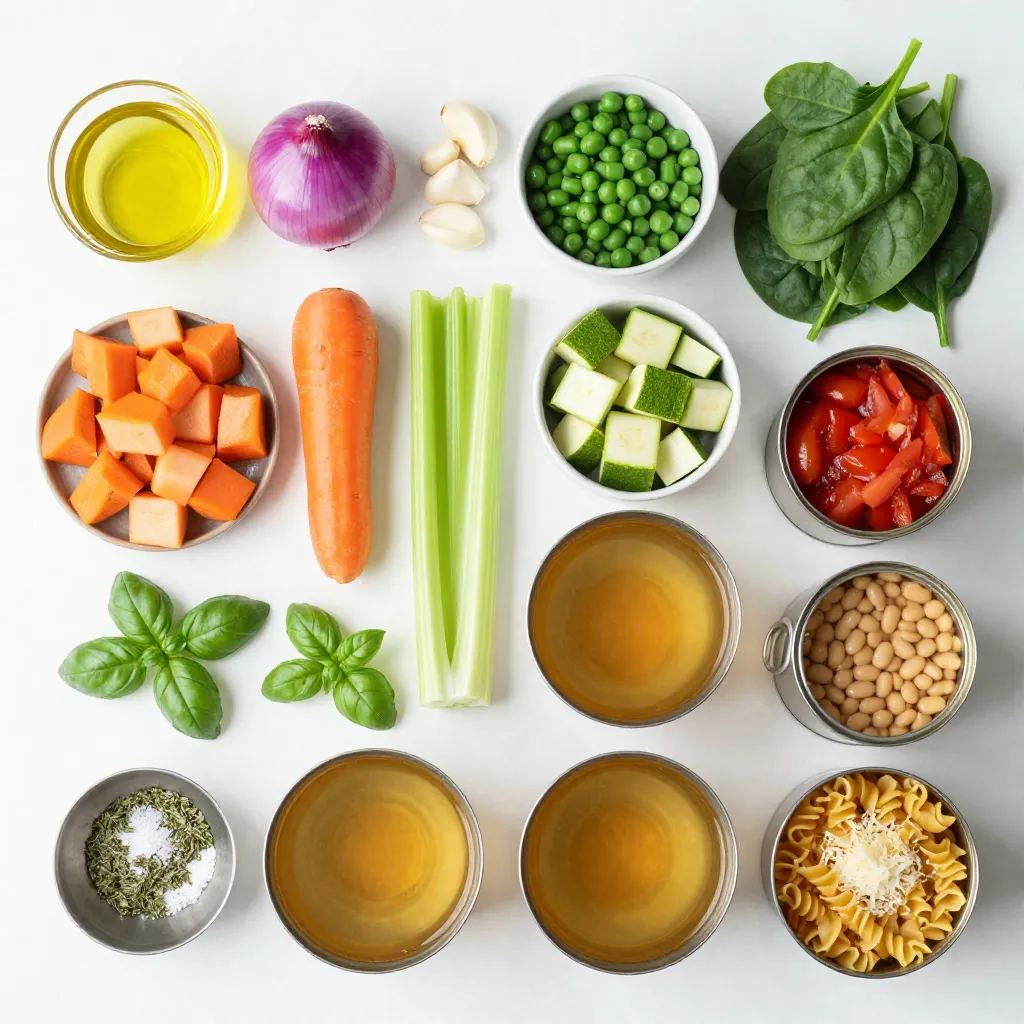
For a rich and hearty veggie packed minestrone soup, gather these key ingredients: - 1 tablespoon extra virgin olive oil - 1 medium onion, finely diced - 2 cloves garlic, minced - 2 medium carrots, diced into small cubes - 2 celery stalks, diced - 1 medium zucchini, diced - 1 cup fresh green beans, trimmed and chopped into bite-sized pieces - 1 cup fresh spinach, roughly chopped - 1 can (14 oz) diced tomatoes in juice - 4 cups low-sodium vegetable broth - 1 can (15 oz) cannellini beans, drained and rinsed thoroughly - 1 teaspoon dried oregano - 1 teaspoon dried basil - Sea salt and freshly cracked black pepper to taste - 1 cup small pasta (such as ditalini or elbow macaroni) - Grated Parmesan cheese for serving (optional) To elevate your soup, consider adding: - A splash of lemon juice for brightness - Fresh basil leaves for a fragrant touch - Red pepper flakes for a hint of spice - Chopped kale or Swiss chard for extra greens Let’s break down the health benefits of some key ingredients: - Spinach: Rich in vitamins A, C, and K, plus iron and calcium. - Carrots: Packed with beta-carotene, good for vision and skin health. - Cannellini beans: High in protein and fiber, they help keep you full. - Zucchini: Low in calories, it adds volume and nutrients without extra calories. This veggie packed minestrone soup not only warms you up but also fills you with nutrients! {{ingredient_image_2}} 1. Start by heating the olive oil in a large pot over medium heat. 2. Add the diced onion and sauté until soft, about three minutes. 3. Mix in the minced garlic and cook for one more minute. 4. Toss in the diced carrots and celery. Cook for two to three minutes. 5. Add the diced zucchini, green beans, and spinach. Stir and cook for four to five minutes. 6. Pour in the diced tomatoes and vegetable broth. Bring to a gentle boil. 7. Once boiling, add the rinsed cannellini beans, oregano, basil, salt, and pepper. 8. Reduce heat to low and let simmer for ten minutes. 9. Stir in the small pasta and continue to simmer for another ten to twelve minutes. 10. Taste and adjust seasoning as needed. If too thick, add broth or water. 11. Serve hot, garnished with Parmesan cheese if desired. - Chop vegetables first: This saves time during cooking. - Use canned beans: They are quick and easy. Just drain and rinse. - Measure spices ahead: Having everything ready helps you stay organized. - Prep in batches: Chop all your veggies at once to speed things up. - Sautéing: This brings out the flavors of your onions and garlic. - Simmering: Gently cooking allows the soup to blend flavors well. - Tasting often: This helps ensure your soup is well-seasoned. - Adjusting texture: You can add more broth if the soup gets too thick. To make the best minestrone soup, start with fresh veggies. Use seasonal produce for the best taste. Make sure to chop your ingredients into similar sizes. This helps them cook evenly. Sauté the onions and garlic well; this builds a rich flavor base. Always taste your soup as it cooks. Adjust the seasoning to your liking. Besides the classic oregano and basil, try adding a bay leaf for depth. A pinch of red pepper flakes gives a nice kick. For a richer flavor, add a splash of balsamic vinegar. Fresh herbs like parsley or thyme can brighten the dish. If you love cheese, sprinkle some grated Parmesan at the end for creaminess. One common mistake is overcooking the pasta. Cook it just until al dente, so it stays firm. Another mistake is not adding enough salt. Salt enhances the natural flavors of the veggies. Lastly, don't skip the broth; it adds essential flavor. If your soup is too thick, add more broth or water to reach your desired consistency. Pro Tips Use Fresh Vegetables: Fresh vegetables not only enhance the flavor of the soup but also provide the best texture and nutritional value. Customize Your Pasta: Feel free to experiment with different types of small pasta, such as farro or quinoa pasta, for a unique twist on the classic minestrone. Adjust Thickness: If you prefer a brothier soup, simply add more vegetable broth or water until you reach your desired consistency. Garnish for Flavor: A sprinkle of fresh herbs or a drizzle of high-quality olive oil before serving can elevate the dish and add an aromatic touch. {{image_4}} You can easily make this minestrone soup vegetarian or vegan. This recipe is already meat-free, making it a great choice. To keep it vegan, just skip the optional Parmesan cheese on top. You can add nutritional yeast for a cheesy flavor without dairy. If you have allergies or special diets, you can swap some ingredients. For gluten-free options, use gluten-free pasta. Instead of cannellini beans, you can use chickpeas or black beans. If you prefer a different veggie, try adding bell peppers, kale, or sweet potatoes. To give your minestrone a different taste, try adding spices. A pinch of red pepper flakes can add heat. You might like a splash of lemon juice for brightness. For an Italian twist, add fresh basil or parsley just before serving. Each change can make your soup special! To store leftover minestrone soup, let it cool first. Once cool, pour it into an airtight container. Make sure to leave some space at the top for expansion when freezing. Seal the container tightly to keep out air and moisture. Store it in the fridge for up to three days. If you want to keep it longer, follow the freezing tips below. Freezing is a great way to extend the life of your minestrone soup. Use a freezer-safe container or heavy-duty freezer bags. Divide the soup into smaller portions for easy use later. Label each container with the date. This way, you’ll know how long it has been in the freezer. Properly stored, your soup can last up to three months in the freezer. When you’re ready to enjoy your soup again, thaw it in the fridge overnight. For quick reheating, you can use the microwave or stovetop. If using the microwave, heat in 1-minute intervals, stirring in between. On the stovetop, pour the soup into a pot and heat over medium heat. Stir often until it’s hot all the way through. If the soup is too thick, add a splash of broth or water to reach your desired consistency. Enjoy your comforting bowl of minestrone! To make your minestrone soup thicker, you can mash some of the beans. Use a fork to mash a portion of the cannellini beans right in the pot. This adds creaminess without changing the flavor. Another way is to add more pasta. Just keep an eye on the cooking time, as pasta absorbs liquid. If you want a smooth texture, blend a cup of the soup and stir it back in. Yes, you can use many different vegetables in your minestrone soup. Some great options include bell peppers, kale, or peas. You can also use seasonal veggies like squash or pumpkin. Just remember to chop them small, so they cook evenly. The key is to keep the flavor balance, so mix and match based on what you love. Minestrone soup can last in the fridge for about 3 to 5 days. Make sure you store it in an airtight container. When you reheat, check that it heats all the way through. If it seems too thick, add a splash of broth or water to loosen it up. For a protein boost, you can add cooked chicken or turkey. If you want to keep it vegetarian, try adding tofu or chickpeas. Both options work well in soup and add great texture. You can also sprinkle in some nuts or seeds for crunch and extra nutrition. Minestrone soup is a great meal that anyone can make. We covered the must-have ingredients, the steps to cook, and tips to get it just right. You can try fun variations for different diets, and learn smart storage methods too. Remember, cooking is about experimenting and making it your own. Don’t hesitate to mix flavors or swap veggies. Enjoy your tasty, homemade minestrone soup, and share it with friends!

Why I Love This Recipe

  1. Flavorful and Nutritious: This minestrone soup is packed with a variety of vegetables, making it a delicious and healthy choice for any meal.
  2. Customizable: You can easily swap out vegetables or add different beans and pasta shapes to suit your taste preferences or what you have on hand.
  3. Perfect for Meal Prep: This soup keeps well in the fridge and can be made in large batches, making it ideal for meal prep or leftovers.
  4. Comforting and Hearty: The combination of tender vegetables, beans, and pasta creates a warm and satisfying dish that’s perfect for any occasion.

Ingredients

Comprehensive List of Ingredients

For a rich and hearty veggie packed minestrone soup, gather these key ingredients:

– 1 tablespoon extra virgin olive oil

– 1 medium onion, finely diced

– 2 cloves garlic, minced

– 2 medium carrots, diced into small cubes

– 2 celery stalks, diced

– 1 medium zucchini, diced

– 1 cup fresh green beans, trimmed and chopped into bite-sized pieces

– 1 cup fresh spinach, roughly chopped

– 1 can (14 oz) diced tomatoes in juice

– 4 cups low-sodium vegetable broth

– 1 can (15 oz) cannellini beans, drained and rinsed thoroughly

– 1 teaspoon dried oregano

– 1 teaspoon dried basil

– Sea salt and freshly cracked black pepper to taste

– 1 cup small pasta (such as ditalini or elbow macaroni)

– Grated Parmesan cheese for serving (optional)

Optional Ingredients for Added Flavor

To elevate your soup, consider adding:

– A splash of lemon juice for brightness

– Fresh basil leaves for a fragrant touch

– Red pepper flakes for a hint of spice

– Chopped kale or Swiss chard for extra greens

Nutritional Information of Key Ingredients

Let’s break down the health benefits of some key ingredients:

Spinach: Rich in vitamins A, C, and K, plus iron and calcium.

Carrots: Packed with beta-carotene, good for vision and skin health.

Cannellini beans: High in protein and fiber, they help keep you full.

Zucchini: Low in calories, it adds volume and nutrients without extra calories.

This veggie packed minestrone soup not only warms you up but also fills you with nutrients!

Step-by-Step Instructions

Detailed Cooking Process

1. Start by heating the olive oil in a large pot over medium heat.

2. Add the diced onion and sauté until soft, about three minutes.

3. Mix in the minced garlic and cook for one more minute.

4. Toss in the diced carrots and celery. Cook for two to three minutes.

5. Add the diced zucchini, green beans, and spinach. Stir and cook for four to five minutes.

6. Pour in the diced tomatoes and vegetable broth. Bring to a gentle boil.

7. Once boiling, add the rinsed cannellini beans, oregano, basil, salt, and pepper.

8. Reduce heat to low and let simmer for ten minutes.

9. Stir in the small pasta and continue to simmer for another ten to twelve minutes.

10. Taste and adjust seasoning as needed. If too thick, add broth or water.

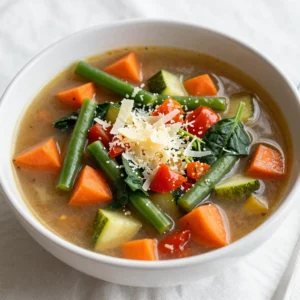
11. Serve hot, garnished with Parmesan cheese if desired.

Tips for Prepping Ingredients Efficiently

Chop vegetables first: This saves time during cooking.

Use canned beans: They are quick and easy. Just drain and rinse.

Measure spices ahead: Having everything ready helps you stay organized.

Prep in batches: Chop all your veggies at once to speed things up.

Key Cooking Techniques

Sautéing: This brings out the flavors of your onions and garlic.

Simmering: Gently cooking allows the soup to blend flavors well.

Tasting often: This helps ensure your soup is well-seasoned.

Adjusting texture: You can add more broth if the soup gets too thick.

Tips & Tricks

How to Perfect Your Minestrone Soup

To make the best minestrone soup, start with fresh veggies. Use seasonal produce for the best taste. Make sure to chop your ingredients into similar sizes. This helps them cook evenly. Sauté the onions and garlic well; this builds a rich flavor base. Always taste your soup as it cooks. Adjust the seasoning to your liking.

Recommended Seasonings and Enhancements

Besides the classic oregano and basil, try adding a bay leaf for depth. A pinch of red pepper flakes gives a nice kick. For a richer flavor, add a splash of balsamic vinegar. Fresh herbs like parsley or thyme can brighten the dish. If you love cheese, sprinkle some grated Parmesan at the end for creaminess.

Avoiding Common Mistakes

One common mistake is overcooking the pasta. Cook it just until al dente, so it stays firm. Another mistake is not adding enough salt. Salt enhances the natural flavors of the veggies. Lastly, don’t skip the broth; it adds essential flavor. If your soup is too thick, add more broth or water to reach your desired consistency.

Pro Tips

  1. Use Fresh Vegetables: Fresh vegetables not only enhance the flavor of the soup but also provide the best texture and nutritional value.
  2. Customize Your Pasta: Feel free to experiment with different types of small pasta, such as farro or quinoa pasta, for a unique twist on the classic minestrone.
  3. Adjust Thickness: If you prefer a brothier soup, simply add more vegetable broth or water until you reach your desired consistency.
  4. Garnish for Flavor: A sprinkle of fresh herbs or a drizzle of high-quality olive oil before serving can elevate the dish and add an aromatic touch.

Variations

Vegetarian and Vegan Options

You can easily make this minestrone soup vegetarian or vegan. This recipe is already meat-free, making it a great choice. To keep it vegan, just skip the optional Parmesan cheese on top. You can add nutritional yeast for a cheesy flavor without dairy.

Ingredient Swaps for Different Dietary Needs

If you have allergies or special diets, you can swap some ingredients. For gluten-free options, use gluten-free pasta. Instead of cannellini beans, you can use chickpeas or black beans. If you prefer a different veggie, try adding bell peppers, kale, or sweet potatoes.

Flavor Combinations for a Unique Twist

To give your minestrone a different taste, try adding spices. A pinch of red pepper flakes can add heat. You might like a splash of lemon juice for brightness. For an Italian twist, add fresh basil or parsley just before serving. Each change can make your soup special!

Storage Info

How to Properly Store Leftover Minestrone Soup

To store leftover minestrone soup, let it cool first. Once cool, pour it into an airtight container. Make sure to leave some space at the top for expansion when freezing. Seal the container tightly to keep out air and moisture. Store it in the fridge for up to three days. If you want to keep it longer, follow the freezing tips below.

Freezing Tips for Long-Term Storage

Freezing is a great way to extend the life of your minestrone soup. Use a freezer-safe container or heavy-duty freezer bags. Divide the soup into smaller portions for easy use later. Label each container with the date. This way, you’ll know how long it has been in the freezer. Properly stored, your soup can last up to three months in the freezer.

Reheating Instructions for Best Taste

When you’re ready to enjoy your soup again, thaw it in the fridge overnight. For quick reheating, you can use the microwave or stovetop. If using the microwave, heat in 1-minute intervals, stirring in between. On the stovetop, pour the soup into a pot and heat over medium heat. Stir often until it’s hot all the way through. If the soup is too thick, add a splash of broth or water to reach your desired consistency. Enjoy your comforting bowl of minestrone!

FAQs

How can I make my minestrone soup thicker?

To make your minestrone soup thicker, you can mash some of the beans. Use a fork to mash a portion of the cannellini beans right in the pot. This adds creaminess without changing the flavor. Another way is to add more pasta. Just keep an eye on the cooking time, as pasta absorbs liquid. If you want a smooth texture, blend a cup of the soup and stir it back in.

Can I use different vegetables in this recipe?

Yes, you can use many different vegetables in your minestrone soup. Some great options include bell peppers, kale, or peas. You can also use seasonal veggies like squash or pumpkin. Just remember to chop them small, so they cook evenly. The key is to keep the flavor balance, so mix and match based on what you love.

How long does minestrone soup last in the fridge?

Minestrone soup can last in the fridge for about 3 to 5 days. Make sure you store it in an airtight container. When you reheat, check that it heats all the way through. If it seems too thick, add a splash of broth or water to loosen it up.

What can I add for a protein boost?

For a protein boost, you can add cooked chicken or turkey. If you want to keep it vegetarian, try adding tofu or chickpeas. Both options work well in soup and add great texture. You can also sprinkle in some nuts or seeds for crunch and extra nutrition.

Minestrone soup is a great meal that anyone can make. We covered the must-have ingredients, the steps to cook, and tips to get it just right. You can try fun variations for different diets, and learn smart storage methods too. Remember, cooking is about experimenting and making it your own. Don’t hesitate to mix flavors or swap veggies. Enjoy your tasty, homemade minestrone soup, and share it with friend

For a rich and hearty veggie packed minestrone soup, gather these key ingredients: - 1 tablespoon extra virgin olive oil - 1 medium onion, finely diced - 2 cloves garlic, minced - 2 medium carrots, diced into small cubes - 2 celery stalks, diced - 1 medium zucchini, diced - 1 cup fresh green beans, trimmed and chopped into bite-sized pieces - 1 cup fresh spinach, roughly chopped - 1 can (14 oz) diced tomatoes in juice - 4 cups low-sodium vegetable broth - 1 can (15 oz) cannellini beans, drained and rinsed thoroughly - 1 teaspoon dried oregano - 1 teaspoon dried basil - Sea salt and freshly cracked black pepper to taste - 1 cup small pasta (such as ditalini or elbow macaroni) - Grated Parmesan cheese for serving (optional) To elevate your soup, consider adding: - A splash of lemon juice for brightness - Fresh basil leaves for a fragrant touch - Red pepper flakes for a hint of spice - Chopped kale or Swiss chard for extra greens Let’s break down the health benefits of some key ingredients: - Spinach: Rich in vitamins A, C, and K, plus iron and calcium. - Carrots: Packed with beta-carotene, good for vision and skin health. - Cannellini beans: High in protein and fiber, they help keep you full. - Zucchini: Low in calories, it adds volume and nutrients without extra calories. This veggie packed minestrone soup not only warms you up but also fills you with nutrients! {{ingredient_image_2}} 1. Start by heating the olive oil in a large pot over medium heat. 2. Add the diced onion and sauté until soft, about three minutes. 3. Mix in the minced garlic and cook for one more minute. 4. Toss in the diced carrots and celery. Cook for two to three minutes. 5. Add the diced zucchini, green beans, and spinach. Stir and cook for four to five minutes. 6. Pour in the diced tomatoes and vegetable broth. Bring to a gentle boil. 7. Once boiling, add the rinsed cannellini beans, oregano, basil, salt, and pepper. 8. Reduce heat to low and let simmer for ten minutes. 9. Stir in the small pasta and continue to simmer for another ten to twelve minutes. 10. Taste and adjust seasoning as needed. If too thick, add broth or water. 11. Serve hot, garnished with Parmesan cheese if desired. - Chop vegetables first: This saves time during cooking. - Use canned beans: They are quick and easy. Just drain and rinse. - Measure spices ahead: Having everything ready helps you stay organized. - Prep in batches: Chop all your veggies at once to speed things up. - Sautéing: This brings out the flavors of your onions and garlic. - Simmering: Gently cooking allows the soup to blend flavors well. - Tasting often: This helps ensure your soup is well-seasoned. - Adjusting texture: You can add more broth if the soup gets too thick. To make the best minestrone soup, start with fresh veggies. Use seasonal produce for the best taste. Make sure to chop your ingredients into similar sizes. This helps them cook evenly. Sauté the onions and garlic well; this builds a rich flavor base. Always taste your soup as it cooks. Adjust the seasoning to your liking. Besides the classic oregano and basil, try adding a bay leaf for depth. A pinch of red pepper flakes gives a nice kick. For a richer flavor, add a splash of balsamic vinegar. Fresh herbs like parsley or thyme can brighten the dish. If you love cheese, sprinkle some grated Parmesan at the end for creaminess. One common mistake is overcooking the pasta. Cook it just until al dente, so it stays firm. Another mistake is not adding enough salt. Salt enhances the natural flavors of the veggies. Lastly, don't skip the broth; it adds essential flavor. If your soup is too thick, add more broth or water to reach your desired consistency. Pro Tips Use Fresh Vegetables: Fresh vegetables not only enhance the flavor of the soup but also provide the best texture and nutritional value. Customize Your Pasta: Feel free to experiment with different types of small pasta, such as farro or quinoa pasta, for a unique twist on the classic minestrone. Adjust Thickness: If you prefer a brothier soup, simply add more vegetable broth or water until you reach your desired consistency. Garnish for Flavor: A sprinkle of fresh herbs or a drizzle of high-quality olive oil before serving can elevate the dish and add an aromatic touch. {{image_4}} You can easily make this minestrone soup vegetarian or vegan. This recipe is already meat-free, making it a great choice. To keep it vegan, just skip the optional Parmesan cheese on top. You can add nutritional yeast for a cheesy flavor without dairy. If you have allergies or special diets, you can swap some ingredients. For gluten-free options, use gluten-free pasta. Instead of cannellini beans, you can use chickpeas or black beans. If you prefer a different veggie, try adding bell peppers, kale, or sweet potatoes. To give your minestrone a different taste, try adding spices. A pinch of red pepper flakes can add heat. You might like a splash of lemon juice for brightness. For an Italian twist, add fresh basil or parsley just before serving. Each change can make your soup special! To store leftover minestrone soup, let it cool first. Once cool, pour it into an airtight container. Make sure to leave some space at the top for expansion when freezing. Seal the container tightly to keep out air and moisture. Store it in the fridge for up to three days. If you want to keep it longer, follow the freezing tips below. Freezing is a great way to extend the life of your minestrone soup. Use a freezer-safe container or heavy-duty freezer bags. Divide the soup into smaller portions for easy use later. Label each container with the date. This way, you’ll know how long it has been in the freezer. Properly stored, your soup can last up to three months in the freezer. When you’re ready to enjoy your soup again, thaw it in the fridge overnight. For quick reheating, you can use the microwave or stovetop. If using the microwave, heat in 1-minute intervals, stirring in between. On the stovetop, pour the soup into a pot and heat over medium heat. Stir often until it’s hot all the way through. If the soup is too thick, add a splash of broth or water to reach your desired consistency. Enjoy your comforting bowl of minestrone! To make your minestrone soup thicker, you can mash some of the beans. Use a fork to mash a portion of the cannellini beans right in the pot. This adds creaminess without changing the flavor. Another way is to add more pasta. Just keep an eye on the cooking time, as pasta absorbs liquid. If you want a smooth texture, blend a cup of the soup and stir it back in. Yes, you can use many different vegetables in your minestrone soup. Some great options include bell peppers, kale, or peas. You can also use seasonal veggies like squash or pumpkin. Just remember to chop them small, so they cook evenly. The key is to keep the flavor balance, so mix and match based on what you love. Minestrone soup can last in the fridge for about 3 to 5 days. Make sure you store it in an airtight container. When you reheat, check that it heats all the way through. If it seems too thick, add a splash of broth or water to loosen it up. For a protein boost, you can add cooked chicken or turkey. If you want to keep it vegetarian, try adding tofu or chickpeas. Both options work well in soup and add great texture. You can also sprinkle in some nuts or seeds for crunch and extra nutrition. Minestrone soup is a great meal that anyone can make. We covered the must-have ingredients, the steps to cook, and tips to get it just right. You can try fun variations for different diets, and learn smart storage methods too. Remember, cooking is about experimenting and making it your own. Don’t hesitate to mix flavors or swap veggies. Enjoy your tasty, homemade minestrone soup, and share it with friends!

Veggie Packed Minestrone Soup

A hearty and nutritious minestrone soup packed with fresh vegetables and beans.
Prep Time 15 minutes
Cook Time 25 minutes
Total Time 40 minutes
Course Main Course
Cuisine Italian
Servings 6
Calories 150 kcal

Ingredients
  

  • 1 tablespoon extra virgin olive oil
  • 1 medium onion, finely diced
  • 2 cloves garlic, minced
  • 2 medium carrots, diced into small cubes
  • 2 stalks celery, diced
  • 1 medium zucchini, diced
  • 1 cup fresh green beans, trimmed and chopped into bite-sized pieces
  • 1 cup fresh spinach, roughly chopped
  • 1 can (14 oz) diced tomatoes in juice
  • 4 cups low-sodium vegetable broth
  • 1 can (15 oz) cannellini beans, drained and rinsed thoroughly
  • 1 teaspoon dried oregano
  • 1 teaspoon dried basil
  • to taste sea salt and freshly cracked black pepper
  • 1 cup small pasta (such as ditalini or elbow macaroni)
  • for serving grated Parmesan cheese (optional)

Instructions
 

  • In a large, heavy-bottomed pot, heat the olive oil over medium heat. Once hot, add the finely diced onion and sauté for about 3 minutes, stirring occasionally, until the onion becomes translucent and soft.
  • Add the minced garlic and continue to sauté for an additional minute, stirring constantly, until the garlic is fragrant but not browned.
  • Incorporate the diced carrots and celery into the pot, cooking for 2-3 minutes until they begin to soften and release their flavors.
  • Add the diced zucchini, chopped green beans, and spinach to the pot. Stir well and cook for about 4-5 minutes, allowing the vegetables to wilt and become tender.
  • Pour in the can of diced tomatoes with their juice, followed by the vegetable broth. Raise the heat slightly and bring the mixture to a gentle boil, stirring occasionally.
  • Once the soup reaches a boil, add the rinsed cannellini beans, dried oregano, dried basil, sea salt, and freshly cracked black pepper. Reduce the heat to a simmer and allow the soup to cook for 10 minutes, giving the flavors time to meld.
  • Stir in the small pasta of your choice and continue to simmer for another 10-12 minutes, or until the pasta is al dente and the soup has thickened nicely.
  • Taste the soup and adjust the seasoning with additional salt and pepper as needed. If the soup is thicker than desired, feel free to add a splash more broth or water to reach your preferred consistency.
  • Serve the minestrone hot, garnished with a generous sprinkle of grated Parmesan cheese if you like a rich, cheesy flavor.

Notes

Serve with crusty bread for a delightful meal.
Keyword healthy, minestrone, soup, vegetarian, veggie

WANT TO SAVE THIS RECIPE?