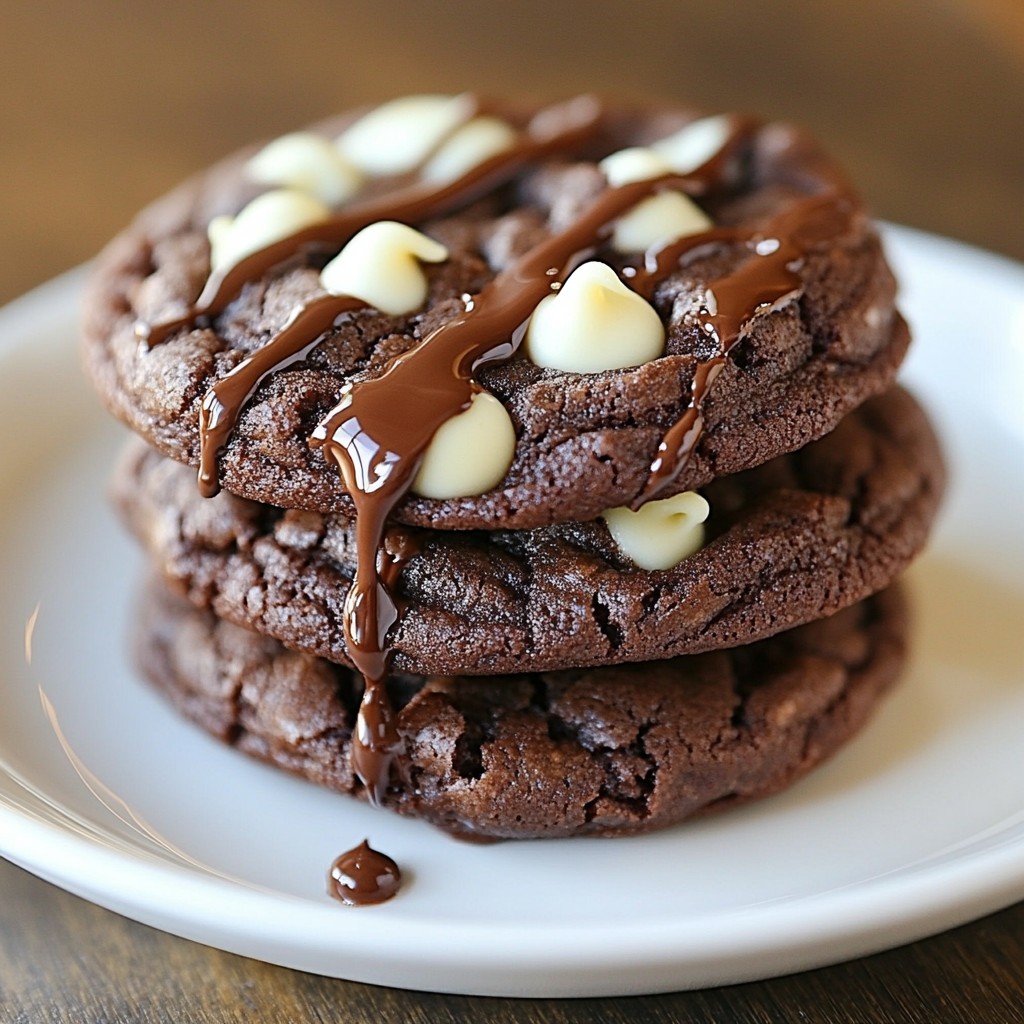
Are you ready to whip up the ultimate treat? These Chewy Dessert Double Chocolate Chip Cookies are rich, soft, and so satisfying! In this easy recipe, I’ll share step-by-step tips and tricks for achieving that perfect chewy texture. Whether you are a baking novice or a kitchen pro, these cookies are sure to impress. Let’s dive into the delicious details and create a batch of cookies you’ll love!
Why I Love This Recipe
- Rich Chocolate Flavor: These cookies pack a double chocolate punch, thanks to both semi-sweet and white chocolate chips, making each bite an indulgent treat.
- Perfectly Chewy Texture: The combination of softened butter and the right baking time ensures a chewy, melt-in-your-mouth consistency that is hard to resist.
- Quick and Easy: With a total time of just 30 minutes, you can whip up a batch of these cookies for any occasion or a last-minute craving.
- Customizable Add-ins: Feel free to get creative by adding your favorite nuts or even swapping in different types of chocolate chips for a unique twist!
Ingredients
Detailed Ingredient List
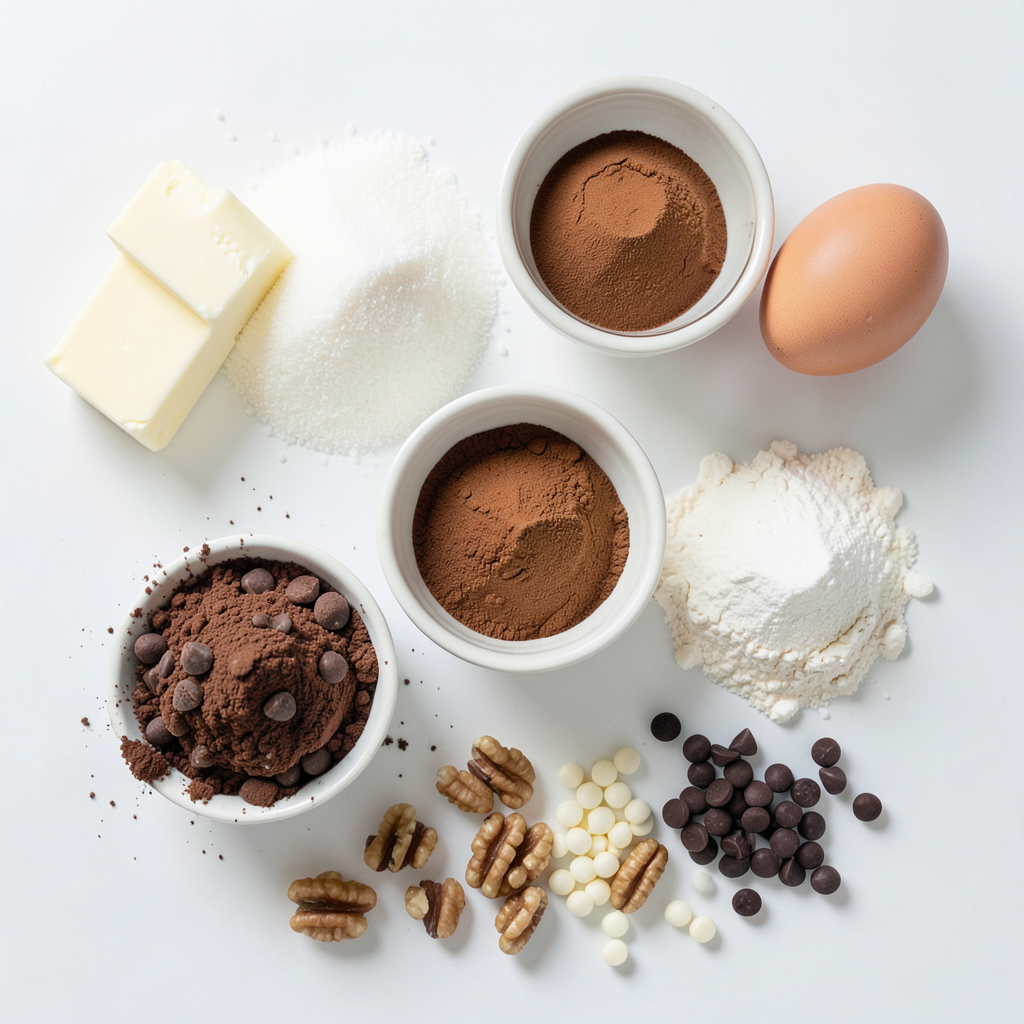
To make these chewy dessert double chocolate chip cookies, gather the following ingredients:
- 1 cup (2 sticks) unsalted butter, softened to room temperature
- 3/4 cup granulated sugar
- 3/4 cup packed brown sugar
- 2 large eggs, at room temperature
- 1 teaspoon pure vanilla extract
- 2 cups all-purpose flour
- 1/2 cup unsweetened cocoa powder
- 1 teaspoon baking soda
- 1/2 teaspoon fine sea salt
- 1 1/2 cups semi-sweet chocolate chips
- 1 cup white chocolate chips
- 1/2 cup chopped nuts (optional; walnuts or pecans add a lovely crunch)
Each ingredient plays a key role in creating the perfect cookie. The butter provides richness, while the sugars add sweetness and help with texture.
Substitutions for Common Ingredients
You can swap some ingredients if needed:
- Butter: Use margarine or coconut oil for a dairy-free version.
- Granulated Sugar: Brown sugar can replace some granulated sugar for more moisture.
- Flour: Gluten-free flour works well instead of all-purpose flour.
- Nuts: Omit the nuts for a nut-free option, or use seeds instead.
These substitutions may change the flavor and texture slightly, but they still create delicious cookies.
Best Types of Chocolate Chips to Use
For the best results, choose quality chocolate chips. Here are my favorites:
- Semi-sweet chocolate chips: They add a rich chocolate flavor.
- White chocolate chips: They provide a creamy contrast to the dark chocolate.
- Dark chocolate chips: For a more intense chocolate taste, use dark chocolate.
- Milk chocolate chips: If you like sweeter cookies, milk chocolate chips work well.
Mixing different types of chocolate chips can elevate the flavor and make your cookies even more special.
Step-by-Step Instructions
Prepping Your Kitchen and Ingredients
Start by gathering all your ingredients. You will need:
- 1 cup unsalted butter, softened
- 3/4 cup granulated sugar
- 3/4 cup brown sugar
- 2 large eggs
- 1 teaspoon vanilla extract
- 2 cups all-purpose flour
- 1/2 cup cocoa powder
- 1 teaspoon baking soda
- 1/2 teaspoon sea salt
- 1 1/2 cups semi-sweet chocolate chips
- 1 cup white chocolate chips
- 1/2 cup chopped nuts (optional)
Preheat your oven to 350°F (175°C) and line a baking sheet with parchment paper. This will help your cookies not stick. Having everything ready makes the process smooth and fun.
Mixing the Dough: Techniques for Chewy Cookies
In a large bowl, cream the softened butter, granulated sugar, and brown sugar. Use an electric mixer for about 2-3 minutes until it looks light and fluffy.
Add the eggs one by one. Mix well after each egg. Then, pour in the vanilla extract and blend until it’s all together.
In another bowl, whisk the flour, cocoa powder, baking soda, and sea salt. This step is key for even blending. Slowly add this dry mix into your wet mix. Use a spatula or wooden spoon. Stir gently until just combined. Do not overmix! It can make your cookies dense instead of chewy.
Next, fold in the semi-sweet chocolate chips, white chocolate chips, and nuts if you want some crunch. Make sure they are evenly spread throughout the dough.
Baking Tips for Perfect Cookies
Use a tablespoon or cookie scoop to drop rounded balls of dough onto the baking sheet. Leave about 2 inches of space between each ball. This space helps them spread nicely while baking.
Bake in the preheated oven for 10-12 minutes. The edges should look set, but the centers may seem a bit soft. This is perfect! They will firm up as they cool.
After baking, let the cookies cool on the sheet for about 5 minutes. Then, transfer them to a wire rack to cool completely. This method gives them the perfect chewy texture. Enjoy every bite!
Tips & Tricks
Common Mistakes to Avoid
When making chewy double chocolate chip cookies, there are some common mistakes to avoid:
- Overmixing the dough: This can make cookies tough. Mix until just combined.
- Skipping the chilling step: Chilling the dough helps the cookies spread less. Always chill for at least 30 minutes if you can.
- Not measuring flour correctly: Too much flour can make cookies dry. Use the spoon and level method for accuracy.
- Ignoring baking time: Cookies should look slightly underbaked when you take them out. They will firm up as they cool.
How to Achieve the Best Chewy Texture
To get that perfect chewy texture in your cookies, follow these tips:
- Use brown sugar: It adds moisture and chewiness. A mix of granulated and brown sugar works best.
- Don’t overbake: Take them out when the edges are set but the center looks soft. This keeps them chewy.
- Use melted butter: This helps create a denser cookie that is still chewy.
- Add an extra egg yolk: This adds richness and helps improve the texture.
Enhancing Flavor with Add-Ins
Enhance your chewy double chocolate chip cookies with fun add-ins:
- Chopped nuts: Walnuts or pecans add a great crunch.
- Different chocolate chips: Try dark chocolate or even caramel chips for a unique twist.
- Flavored extracts: A splash of almond or mint extract can elevate the flavor profile.
- Sea salt: A sprinkle on top before baking adds a nice balance to the sweetness.
Pro Tips
- Perfect Butter Softening: To achieve perfectly softened butter, leave it at room temperature for about 30 minutes before using. It should be soft enough to make an indentation with your finger but not melted.
- Cookie Dough Chilling: For even chewier cookies, consider chilling your cookie dough for 30 minutes before baking. This helps to enhance the flavors and improve the texture.
- Measuring Flour Accurately: To avoid dense cookies, spoon the flour into your measuring cup and level it off with a knife instead of scooping directly from the bag, which can pack the flour and lead to excess.
- Storing Cookies: Keep your cookies fresh by storing them in an airtight container at room temperature. For longer storage, consider freezing them in a single layer and then transferring to a freezer-safe bag.
Variations
Different Types of Chocolate Variations
You can change the chocolate in these cookies for new flavors. Instead of semi-sweet chocolate chips, try dark chocolate for a richer taste. Milk chocolate will add a sweeter touch. You could also mix in some chocolate chunks for an extra gooey bite.
Nut-Free and Gluten-Free Options
If you want to skip the nuts, just leave them out. This makes the cookies nut-free and still tasty. For a gluten-free version, use a gluten-free flour blend. Make sure it has a good balance of starch and protein to keep the cookies chewy and soft.
Flavor Combinations: Coffee, Mint, or Peanut Butter
Adding flavors can make these cookies unique. Mix in a tablespoon of instant coffee granules for a coffee kick. For a fresh twist, add mint extract to the dough. If you love peanut butter, swirl in some creamy peanut butter or add chocolate-covered peanut butter chips. Each option gives a different yet delightful taste to your cookies.
Storage Info
Best Ways to Store Baked Cookies
To keep your chewy double chocolate chip cookies fresh, store them in an airtight container. Layer the cookies with parchment paper to avoid sticking. This helps them stay soft and chewy. Keep the container at room temperature, away from heat and light. If you prefer, you can also freeze baked cookies. Just ensure they are fully cooled before wrapping them tightly.
How to Freeze Cookie Dough for Future Baking
Freezing cookie dough is a great option for later baking. Start by scooping the dough into balls. Place the balls on a baking sheet lined with parchment paper. Freeze them for about 1-2 hours until solid. Once frozen, transfer the dough balls into a zip-top bag. Label the bag with the date. You can store them in the freezer for up to three months. When ready to bake, just take them out and bake them straight from the freezer, adding a couple of extra minutes to the baking time.
Shelf Life of Cookies
Homemade chewy cookies last about one week at room temperature. If you store them in the fridge, they can last up to two weeks. Freezing baked cookies can extend their life to about three months. Always check for any signs of spoilage before eating. Fresh cookies taste best, so enjoy them soon after baking!
FAQs
How to make chewy cookies every time?
To make chewy cookies, follow these steps:
- Use brown sugar. It has moisture that keeps cookies soft.
- Don't overmix the dough. Mix until ingredients are just combined.
- Chill your dough. Let it sit in the fridge for 30 minutes.
- Bake until edges are set but centers look soft. They will firm up as they cool.
These tips help create that perfect chewy texture.
Can I use different types of sugar?
Yes, you can use different sugars in your cookies.
- Granulated sugar gives a crisp texture.
- Brown sugar adds moisture and chewiness.
- If you use only brown sugar, your cookies will be even softer.
Mixing both sugars is a great way to balance taste and texture.
What if my cookies spread too much during baking?
If your cookies spread too much, check these factors:
- Ensure your butter is softened but not melted.
- Chill the dough before baking. It helps cookies hold shape.
- Check your oven temperature. An oven that is too hot can cause spreading.
Making these adjustments keeps your cookies thick and chewy.
In this blog post, we explored ingredients, from detailed lists to smart substitutions. I shared step-by-step instructions for mixing dough and baking perfect cookies. We discussed tips to avoid common mistakes and achieve a chewy texture. Plus, variations let you mix flavors like coffee and nut-free options. Finally, we covered storage methods and answered key FAQs.
With these tips, you can bake delicious cookies every time. Happy baking!