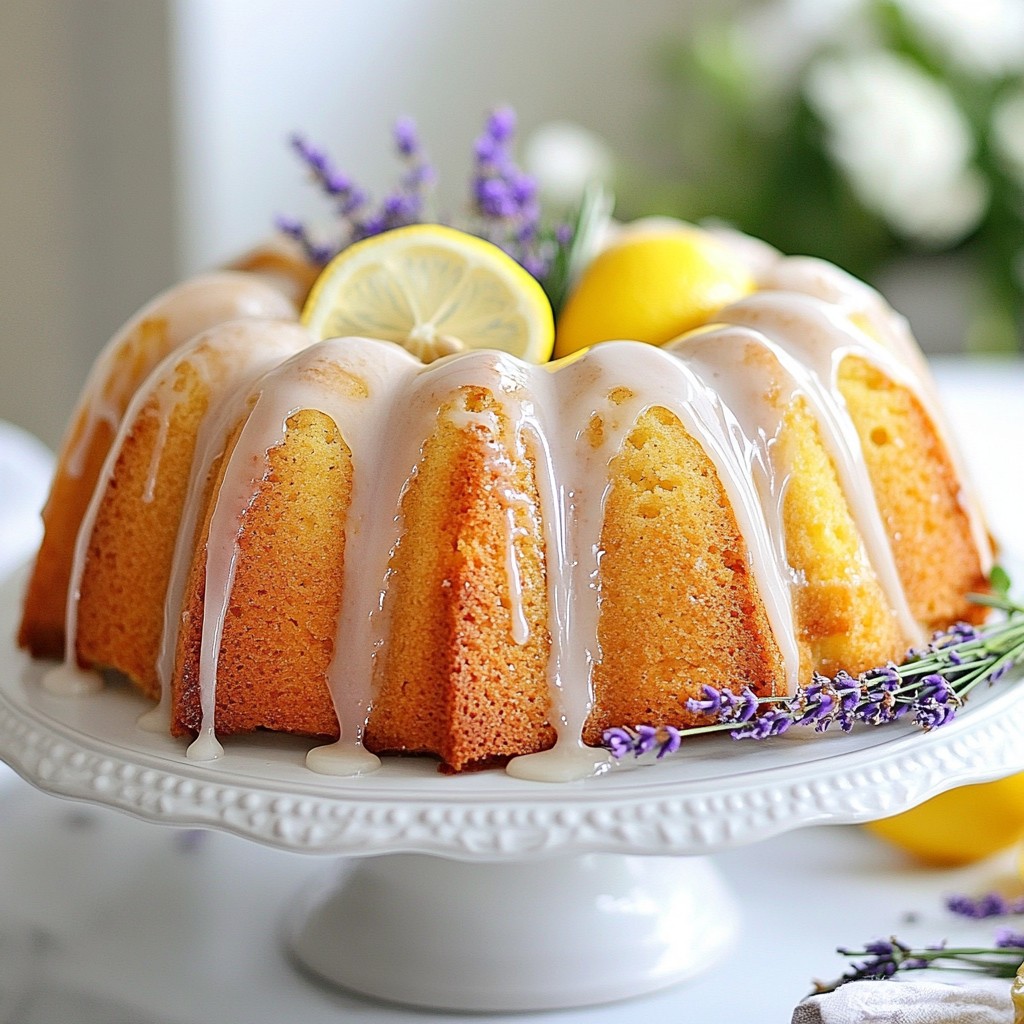
Looking for a delightful treat that's easy to make? You’ll love my Moist Lemon Lavender Bundt Cake! This recipe combines fresh lemon and aromatic lavender for a unique flavor that shines. Perfect for gatherings or a cozy afternoon, it’s moist and delicious. In this post, I’ll share key ingredients, simple steps, and expert tips to help you bake this tasty cake with ease. Ready to impress your friends and family? Let’s dive in!
Why I Love This Recipe
- Unique Flavor Combination: The bright citrus notes of lemon paired with the subtle floral essence of lavender create a delightful and unexpected flavor profile that elevates this cake above the ordinary.
- Moist and Tender Texture: This recipe ensures a moist and tender crumb, thanks to the buttermilk and careful mixing technique, making every bite melt in your mouth.
- Impressive Presentation: Baking this cake in a Bundt pan not only makes it visually stunning but also makes it easy to serve and share at gatherings or celebrations.
- Simple Ingredients: With common pantry staples and a few fresh additions, this recipe is accessible for bakers of all skill levels, allowing anyone to create a beautiful dessert.
Ingredients
Key Ingredients for Lemon Lavender Bundt Cake
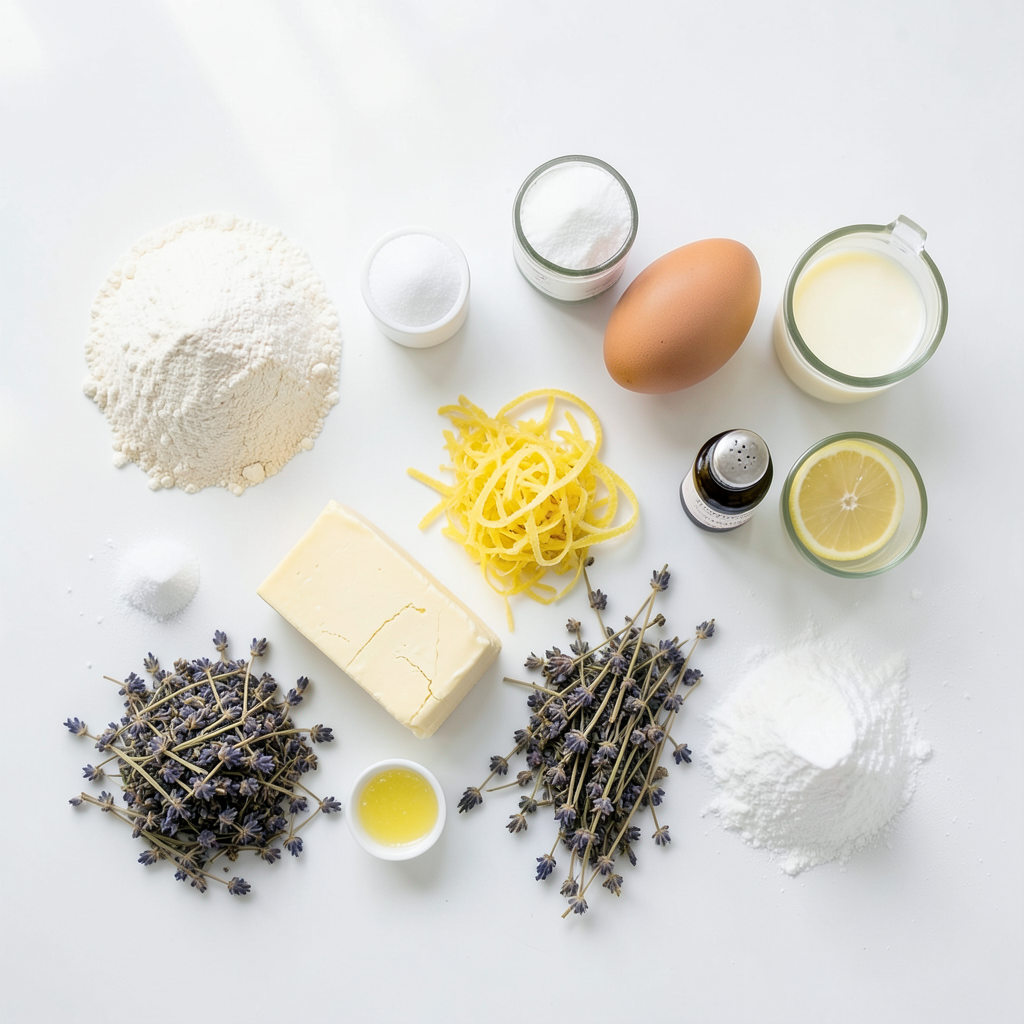
To make this cake, you need some key ingredients:
- 2 cups all-purpose flour
- 1 ½ teaspoons baking powder
- ½ teaspoon baking soda
- ¼ teaspoon salt
- 1 cup unsalted butter, softened
- 2 cups granulated sugar
- 4 large eggs, at room temperature
- 1 tablespoon finely grated lemon zest
- ¾ cup fresh lemon juice, divided
- 1 tablespoon culinary dried lavender buds
- 1 teaspoon pure vanilla extract
- 1 cup buttermilk (or 1 cup milk plus 1 tablespoon white vinegar)
- ½ cup powdered sugar (for glaze)
- 2 tablespoons lemon juice (for glaze)
These ingredients create a light and flavorful cake. The lemon zest and juice give it a fresh taste. The lavender adds a lovely floral note.
Optional Substitutions and Allergens
You can make some swaps if needed:
- Use gluten-free flour for a gluten-free cake.
- Replace unsalted butter with coconut oil for a dairy-free option.
- If you're allergic to eggs, try applesauce or flaxseed as a substitute.
- For a lighter version, use Greek yogurt instead of butter.
These options let you enjoy this cake no matter your diet.
Ingredient Tips for Best Flavor
To get the best taste from your cake:
- Use fresh lemons for zest and juice. They have more flavor than bottled juice.
- Choose culinary-grade dried lavender. This ensures it's safe to eat and offers great taste.
- Room temperature eggs and butter mix better, making the cake fluffier.
- Don’t skip the buttermilk; it adds moisture and a tender crumb.
These tips help make your Lemon Lavender Bundt Cake truly special. Enjoy the burst of flavor!
Step-by-Step Instructions
Preparing the Bundt Pan
Start by preheating your oven to 350°F (175°C). Greasing the pan well is key. Use unsalted butter or cooking spray. Then, sprinkle flour into the pan. Make sure to coat every part. This step helps the cake come out easily after baking.
Mixing the Batter
In a medium bowl, mix the dry ingredients. Combine 2 cups of flour, 1 ½ teaspoons of baking powder, ½ teaspoon of baking soda, and ¼ teaspoon of salt. Set this aside. In a large bowl, cream 1 cup of softened butter with 2 cups of sugar. Use an electric mixer for about 3-4 minutes. It should be light and fluffy.
Add 4 large eggs, one at a time, mixing well after each. Next, add 1 tablespoon of lemon zest and 1 teaspoon of vanilla extract. Stir until everything is combined. In a small bowl, mix ¾ cup of lemon juice with 1 tablespoon of dried lavender buds. Let this sit for 5-10 minutes. You can strain the buds if you want.
Now, alternate adding the dry mix and 1 cup of buttermilk to the butter mix. Start and end with the dry mix. Mix gently until just combined. Finally, stir in the lemon-lavender mix for extra flavor.
Baking and Cooling the Cake
Pour the batter into the prepared Bundt pan. Smooth the top using a spatula. Bake for 50-60 minutes. Check with a toothpick. It should come out clean. Once done, take it out and let it cool for 10-15 minutes in the pan. After that, carefully flip the cake onto a wire rack to cool completely.
Making the Glaze
For the glaze, mix ½ cup of powdered sugar with 2 tablespoons of lemon juice in a small bowl. Whisk until smooth. Once the cake is cool, drizzle the glaze over it. Let it flow down the sides for a lovely look. Enjoy your moist lemon lavender Bundt cake!
Tips & Tricks
Achieving the Perfect Moist Texture
To make your cake moist, start with room temperature ingredients. This helps them blend well. Use unsalted butter, as it adds richness. Cream the butter and sugar well until fluffy. This step creates air pockets, giving your cake a light texture. Adding buttermilk also helps keep the cake moist. If you don’t have buttermilk, mix milk with vinegar. This will mimic the acidity of buttermilk.
Flavor Boosting Tips
To enhance the lemon flavor, use fresh lemon juice and zest. The zest adds brightness. Don’t skip the dried lavender; it gives a lovely floral note. Let the lemon juice steep with lavender before adding it to the batter. This step infuses the cake with deep flavors. You can also add a touch of vanilla extract for warmth.
Common Mistakes to Avoid
Overmixing the batter can lead to a tough cake, so mix just until combined. Make sure your oven is at the right temperature; use an oven thermometer for accuracy. Greasing and flouring the Bundt pan well is key to easy removal. If the cake sticks, it can break apart. Lastly, allow the cake to cool properly before glazing. Glazing too early can make it slide off.
Pro Tips
- Room Temperature Ingredients: Ensure your butter, eggs, and buttermilk are at room temperature for a smoother batter and better incorporation of ingredients.
- Don't Overmix: When combining the wet and dry ingredients, mix until just combined to keep the cake tender and prevent it from becoming dense.
- Infuse the Lavender: Allow the dried lavender to steep in the lemon juice for a longer duration if you desire a stronger lavender flavor.
- Cool Before Glazing: Always let the cake cool completely before applying the glaze to prevent it from melting and running off the cake.
Variations
Different Flavors to Experiment With
You can change the flavor of your cake in many fun ways. Try adding orange zest instead of lemon zest. This will give a bright, fresh taste. You can also use different herbs like rosemary or thyme. These flavors pair well with sweet cakes. Another option is to mix in some almond extract for a nutty twist. Each choice will create a unique cake that still tastes wonderful.
Gluten-Free or Dairy-Free Options
If you need gluten-free options, use a gluten-free flour blend. This can replace regular flour in the recipe. Just make sure to check for a blend that works in baking. For a dairy-free version, substitute the buttermilk with almond milk or oat milk. You can add a bit of lemon juice to mimic the tangy flavor of buttermilk. These swaps make it easy for everyone to enjoy this cake.
Adding Fresh Fruit or Nuts
Adding fresh fruit or nuts can boost the flavor and texture. Try folding in blueberries or raspberries into the batter. These fruits add moisture and a pop of color. You can also mix in chopped walnuts or pecans for a nice crunch. Just keep the total amount to about one cup. This will help the cake stay tender while adding a tasty surprise in every bite.
Storage Info
Best Practices for Storing Bundt Cake
To keep your lemon lavender bundt cake fresh, store it properly. First, let the cake cool fully. Wrap it well in plastic wrap. This keeps moisture in and air out. You can also place it in an airtight container. Store it at room temperature for best taste.
Freezing Instructions
If you want to save some cake for later, freezing is easy. Slice the cake into pieces. Wrap each piece in plastic wrap. Then, place the wrapped pieces in a freezer-safe bag. Label the bag with the date. You can freeze the cake for up to three months. When ready to enjoy, thaw it in the fridge overnight.
Shelf Life and Freshness Tips
The bundt cake stays fresh for about 3 to 4 days at room temperature. If you store it in the fridge, it lasts a bit longer, about a week. To keep it tasting great, avoid cutting until you are ready to serve. Each time you cut it, it loses some moisture. Enjoy this cake with friends and family, and savor the flavors!
FAQs
How can I make my bundt cake more moist?
To make your bundt cake more moist, use room temperature ingredients. This helps the butter and sugar mix well. You can also try adding an extra egg or using cake flour instead of all-purpose flour. Adding sour cream or yogurt can also boost moisture. Lastly, do not overbake the cake. Check it a few minutes before the timer goes off.
Can I use dried lavender buds instead of fresh?
Yes, you can use dried lavender buds instead of fresh. Use about half the amount of dried lavender. Dried buds have a stronger flavor. Make sure the dried lavender is culinary grade. This means it is safe for cooking and eating.
What can I substitute for buttermilk?
If you do not have buttermilk, you can make a quick substitute. Mix 1 cup of milk with 1 tablespoon of vinegar or lemon juice. Let it sit for about 5 minutes. This will curdle the milk slightly, making it thicker. You can also use plain yogurt or sour cream mixed with water.
How long does the cake last after baking?
The cake can last for about 3 to 4 days at room temperature. Store it in an airtight container. You can also keep it in the fridge for up to a week. If you want to keep it longer, freeze it. Wrap it tightly in plastic wrap and then in foil. It can last for up to 3 months in the freezer.
You now have all the tools to bake a lemon lavender bundt cake. We covered key ingredients, step-by-step instructions, and tips to avoid common mistakes. You can explore different flavors and options tailored to your needs. Don’t forget how to store your cake for the best taste later. Remember, practice makes perfect. Enjoy the fun of baking and share your delicious results! With these insights, you’ll bake confidently each time.