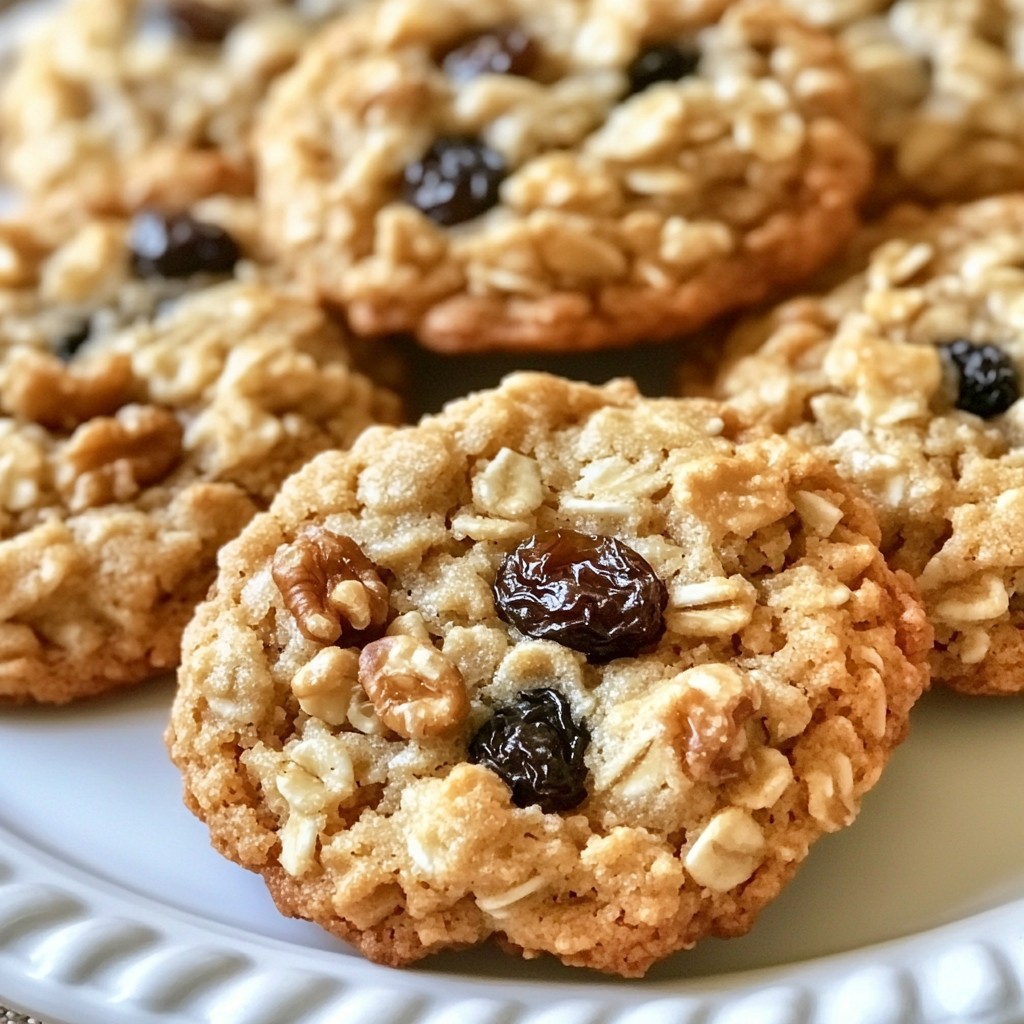
If you love soft and chewy cookies, this Oatmeal Raisin Cookies Recipe is for you! With simple ingredients and easy steps, you can bake a batch that melts in your mouth. I’ll guide you through every step, from the perfect mix to baking times. Get ready to impress your friends and family with these delightful cookies that bring together the classic flavors of oats and raisins. Let’s start baking!
Why I Love This Recipe
- Perfect Texture: These cookies strike the ideal balance between soft and chewy, making each bite delightful and satisfying.
- Wholesome Ingredients: With rolled oats and raisins, these cookies offer a delicious way to enjoy some wholesome goodness in your treat.
- Easy to Make: This straightforward recipe requires minimal effort, making it perfect for both novice bakers and busy parents.
- Customizable: Feel free to add your favorite nuts or swap raisins for chocolate chips for a fun twist on the classic flavor!
Ingredients
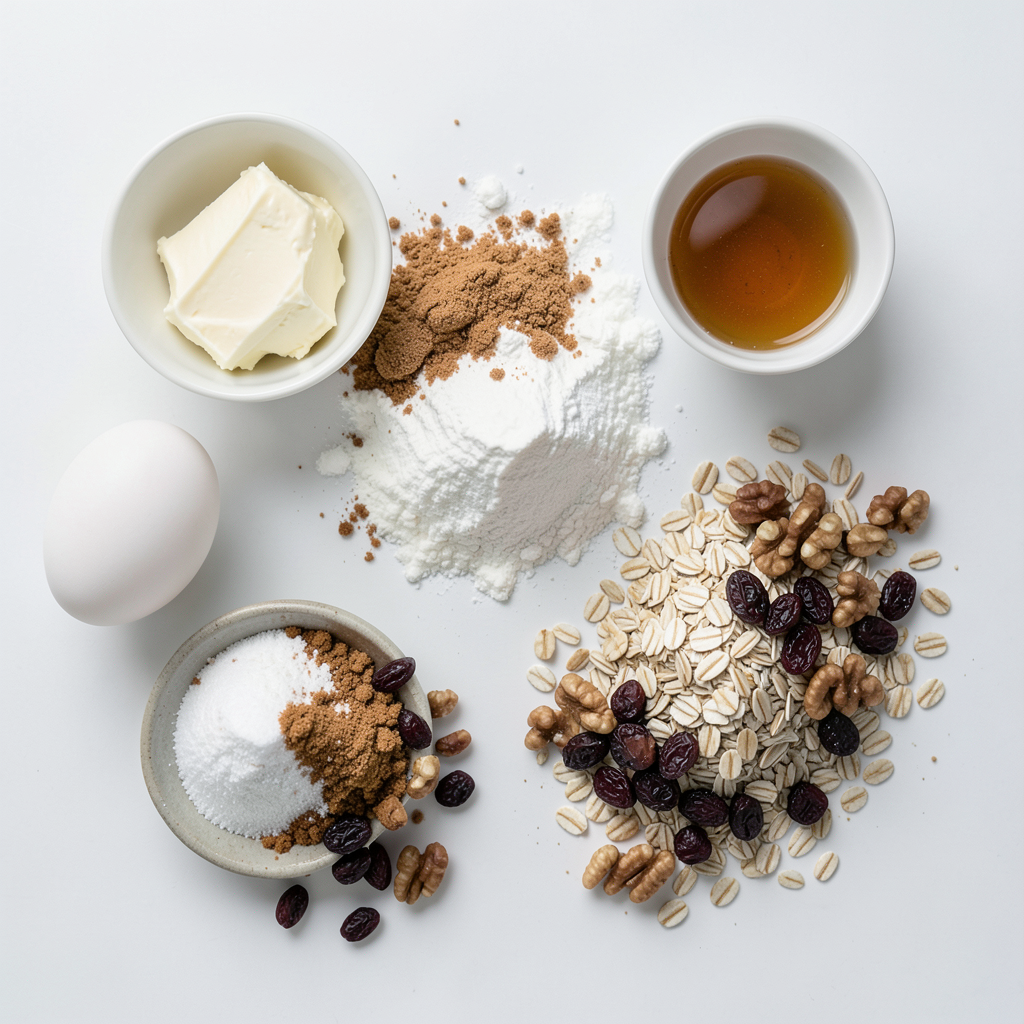
To make soft and chewy baking oatmeal raisin cookies, you need fresh and quality ingredients. Here's what you'll need:
- 1 cup unsalted butter, softened
- 1 cup packed brown sugar
- 1/2 cup granulated sugar
- 2 large eggs at room temperature
- 1 teaspoon pure vanilla extract
- 1 cup all-purpose flour
- 1 teaspoon baking soda
- 1/2 teaspoon fine salt
- 2 teaspoons ground cinnamon
- 3 cups rolled oats
- 1 cup plump raisins
- 1/2 cup chopped walnuts (optional for extra crunch)
Each ingredient plays a role in the final cookie. The butter adds richness, while the sugars provide sweetness and moisture. Eggs help bind the mix together. The flour is the base, and oats give that chewy texture. Raisins add a burst of flavor and sweetness, while walnuts (if used) bring a nice crunch. The spices elevate the taste, making these cookies extra special.
Step-by-Step Instructions
Preheat and Prepare Baking Sheet
Set your oven to 350°F (175°C). This helps the cookies bake just right. Line a baking sheet with parchment paper. This makes it easy to lift the cookies off after baking.
Creaming the Butter and Sugars
In a large bowl, beat 1 cup of softened unsalted butter with 1 cup of packed brown sugar and 1/2 cup of granulated sugar. Use an electric mixer for about 2-3 minutes. The mix should become light and fluffy. This step creates a great base for the cookies.
Adding Eggs and Vanilla
Next, add 2 large eggs, one at a time. Beat well after each egg. This ensures they mix in fully. Then, pour in 1 teaspoon of pure vanilla extract. Mix until everything is smooth. This step adds richness and flavor.
Combining Dry Ingredients
In another bowl, whisk together 1 cup of all-purpose flour, 1 teaspoon of baking soda, 1/2 teaspoon of fine salt, and 2 teaspoons of ground cinnamon. Whisking helps to evenly mix the dry ingredients. This way, the cookies will rise nicely.
Mixing Dough
Gradually add the dry mix to the wet mix. Stir gently until combined. Be careful not to overmix. A few lumps are okay. Then, fold in 3 cups of rolled oats, 1 cup of plump raisins, and 1/2 cup of chopped walnuts if you want. This adds texture and flavor to the cookies.
Baking Information
Using a cookie scoop or tablespoon, drop mounds of dough onto the prepared baking sheet. Leave about 2 inches of space between each cookie. This helps them spread as they bake. Place in the oven and bake for 10-12 minutes. The edges should turn golden while the centers stay soft.
Cooling Cookies
Once baked, take the cookies out of the oven. Let them cool on the baking sheet for about 5 minutes. This allows them to set. After that, move the cookies to a wire rack to cool completely. Enjoy the smell as they cool!
Tips & Tricks
Achieving the Perfect Chewy Texture
To get soft and chewy cookies, mixing is key. Beat the butter and sugars until fluffy. This helps create air in the dough, making cookies light. When you add the dry ingredients, mix just until blended. Overmixing can make cookies tough.
Baking time is also important. Bake for 10-12 minutes. Your cookies should look golden on the edges but soft in the middle. This keeps them chewy.
Best Practices for Measuring Ingredients
Accurate measurements matter in baking. Use a spoon to fluff up the flour before scooping. This prevents packing too much flour into your cup. Level it off with a knife.
For brown sugar, pack it tightly into the cup. This ensures you get the right amount. Granulated sugar can be measured loosely. These little details can change your cookie's texture.
Enhancing Flavor
To make your cookies even better, try adding spices. Nutmeg pairs well with cinnamon. A pinch of allspice can add warmth, too.
For a twist, consider mixing in coconut flakes. They add texture and a unique flavor. You can also add a splash of almond extract for a subtle nutty taste. Each small change can lead to a new favorite cookie!
Pro Tips
- Use Room Temperature Ingredients: Make sure your butter and eggs are at room temperature to ensure a smooth and creamy cookie dough, which helps achieve that soft and chewy texture.
- Don’t Overmix: When combining the dry ingredients with the wet, mix just until combined. Overmixing can lead to tough cookies.
- Chill the Dough: If you have time, chill the cookie dough for about 30 minutes before baking. This can help the cookies hold their shape and enhance the flavors.
- Experiment with Add-ins: Feel free to customize your cookies by adding different ingredients like chocolate chips, coconut, or dried cranberries for a unique twist on the classic oatmeal raisin cookie.
Variations
Nut-Free Version
If you want a nut-free cookie, just leave out the walnuts. The cookies will still taste great with only oats and raisins. You can even add more raisins for extra sweetness. This change keeps the cookies soft and chewy while making them safe for those with nut allergies.
Adding Chocolate Chips
For a chocolatey twist, try adding chocolate chips. Use about 1 cup of semi-sweet chips. Mix them in with the oats and raisins. This change creates a nice balance between the sweet chocolate and the chewy oats. You can also use dark or milk chocolate, depending on your taste.
Alternative Sweeteners
If you want to swap sweeteners, you can use coconut sugar or honey. For coconut sugar, use the same amount as brown sugar. If using honey, reduce the butter slightly and use about ¾ cup. This adds a unique flavor while keeping your cookies soft and chewy.
Storage Info
How to Store Cookies
To keep your oatmeal raisin cookies fresh, store them in an airtight container. Place parchment paper between layers if you stack them. This helps to prevent sticking. Keep the cookies at room temperature. They will stay soft for up to a week. If you want them to last longer, consider the freezer.
Freezing Instructions
You can freeze cookie dough or baked cookies. For cookie dough, scoop the dough into balls and place them on a baking sheet. Freeze them until firm, about an hour. Then, transfer the dough balls to a zip-top bag. Label the bag with the date. For baked cookies, let them cool completely. Place them in an airtight container or wrap them in plastic wrap. You can freeze baked cookies for up to three months.
Shelf Life
Homemade oatmeal raisin cookies last about one week at room temperature. If stored properly in the freezer, they can last up to three months. Just remember to thaw them in the fridge or at room temperature before eating. Enjoy your soft and chewy cookies anytime!
FAQs
Can I use quick oats instead of rolled oats?
Yes, you can use quick oats. Quick oats cook faster than rolled oats. They absorb moisture more quickly, which can change the cookie's texture. Your cookies may end up a bit softer. Rolled oats give a chewier texture, while quick oats yield a softer bite. If you like chewy cookies, stick with rolled oats for the best result.
What if I don’t have unsalted butter?
If you lack unsalted butter, use salted butter instead. Just reduce the salt in the recipe by half. You can also use coconut oil or margarine, but these can change the flavor. Always melt coconut oil before mixing. Keep in mind, using different fats can alter the final taste and texture.
How can I make these cookies gluten-free?
To make gluten-free cookies, swap all-purpose flour for a gluten-free flour blend. Look for one that includes xanthan gum for better texture. Almond flour is another option, but it may lead to denser cookies. Always check labels to avoid cross-contamination with gluten products.
Can I add dried fruit instead of raisins?
Absolutely! You can use dried cranberries, cherries, or apricots. Each type brings a unique flavor. Dried cherries add tartness, while apricots give sweetness. You can mix and match dried fruits for more fun flavors. Just keep the total amount similar to the raisins in the recipe.
In this blog post, I covered how to make delicious cookies step-by-step. We started with essential ingredients, from butter to sugars. Then, we walked through the mixing process and baking tips for perfect texture.
To achieve the best cookies, focus on accurate measurements and mixing. Don’t forget the fun variations like adding chocolate chips or making them nut-free. These cookies are easy to store and freeze for later. Enjoy baking and impressing everyone with your tasty treats!