
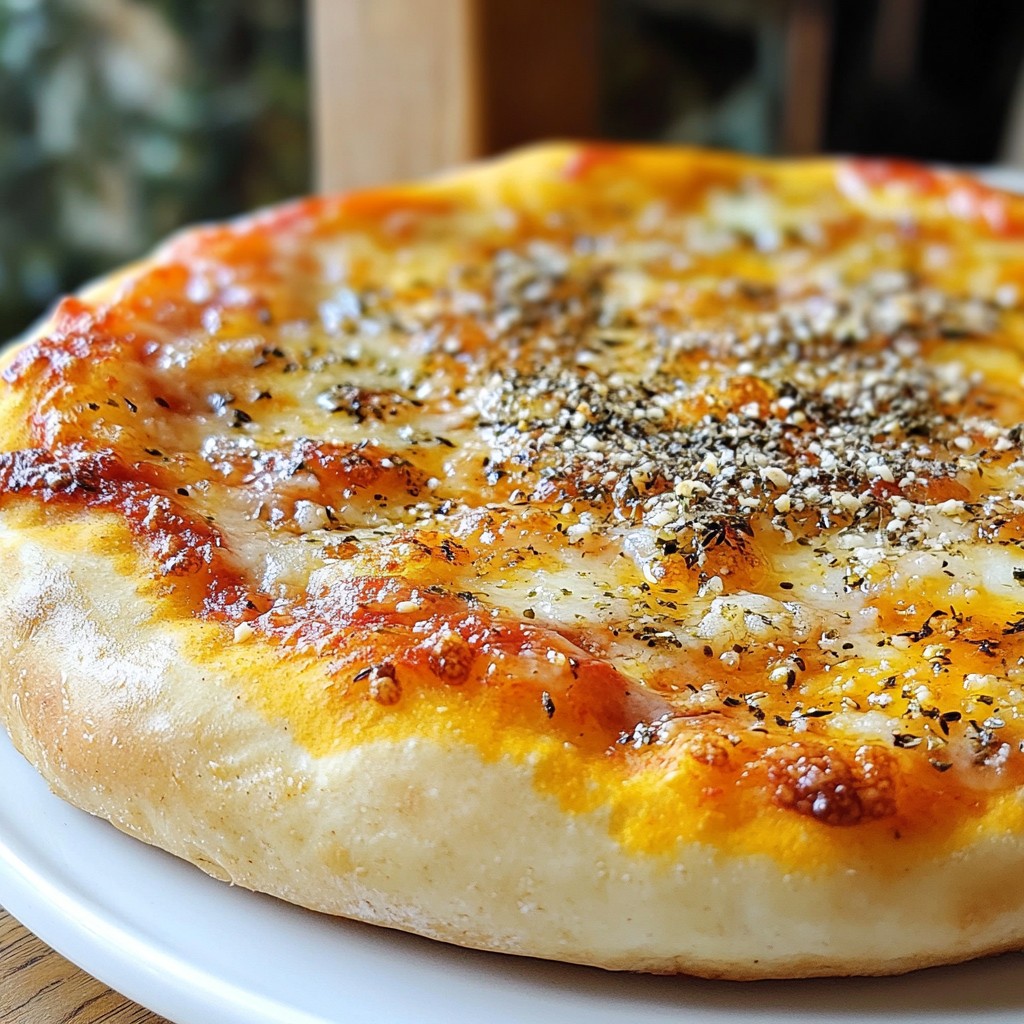
Are you tired of throwing away that sourdough discard? Let’s turn it into a delicious pizza crust! In this post, I'll show you how to make a tasty, simple pizza using your leftover sourdough. With just a few ingredients and easy steps, you can create a delightful treat. Say goodbye to waste and hello to tasty pizza nights at home. Let’s get started!
Why I Love This Recipe
- Easy to Prepare: This pizza crust requires minimal ingredients and can be whipped up quickly, making it perfect for a weeknight dinner.
- Utilizes Sourdough Discard: Not only does this recipe help reduce food waste, but it also adds a delightful tangy flavor to the crust.
- Customizable: Feel free to top it with your favorite ingredients, whether it’s classic pepperoni, fresh veggies, or gourmet cheeses.
- Crispy and Delicious: Baking it on a preheated stone ensures a perfectly crispy crust that rivals your favorite pizzeria.
Ingredients
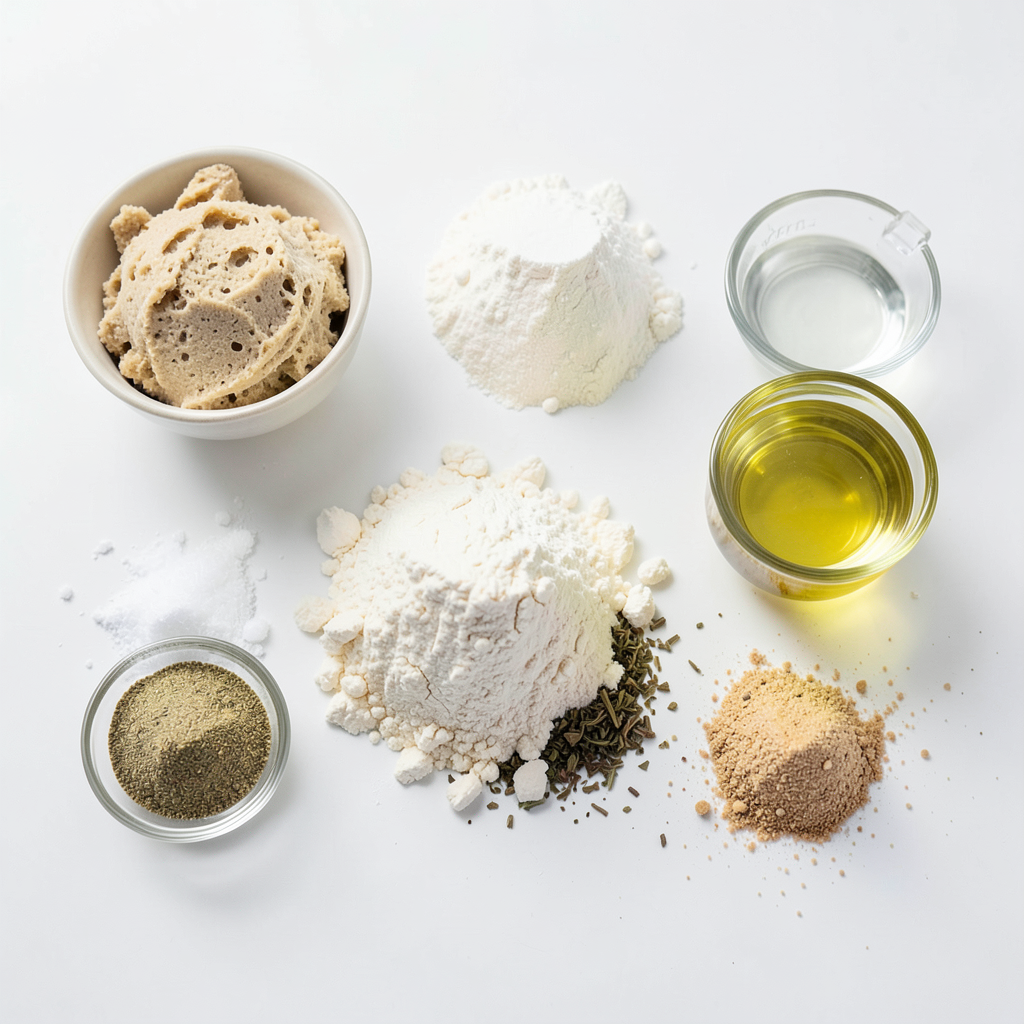
To make the best sourdough discard pizza crust, gather these simple ingredients:
- 1 cup sourdough discard (unfed)
- 1 ½ cups all-purpose flour
- 1 teaspoon salt
- 1 teaspoon dried oregano
- ½ teaspoon garlic powder
- 1 tablespoon olive oil
- ½ cup warm water (adjust as needed)
- Cornmeal (for dusting)
Each ingredient plays a key role. The sourdough discard gives the crust flavor and texture. All-purpose flour gives the dough strength. Salt adds taste, while oregano and garlic powder boost aroma. Olive oil keeps the crust moist, and warm water helps form the dough. Cornmeal prevents sticking, making handling easier.
Keep these ingredients handy, and you will create a pizza crust that shines. Enjoy the process of mixing and kneading, and let your creativity flow with toppings!
Step-by-Step Instructions
Mixing the Dough
Start by taking a large bowl. Add 1 cup of sourdough discard, 1 ½ cups of all-purpose flour, 1 teaspoon of salt, 1 teaspoon of dried oregano, and ½ teaspoon of garlic powder. Mix these dry ingredients well. This ensures that the flavors blend evenly. Next, add 1 tablespoon of olive oil. Stir or use your hands to mix until the dough starts to come together. Then, gradually pour in ½ cup of warm water. Add it little by little. Mix until the dough is soft and slightly sticky. You might not use all the water. Adjust based on how your dough feels.
Kneading the Dough
Once combined, dust a clean surface with flour. Place your dough on this surface. Knead it for about 5 to 7 minutes. Use your palms to press and fold the dough. This step is key for gluten development. A good knead makes the dough stretchy and strong. You want it smooth and elastic before moving on.
Resting and Preheating
After kneading, put the dough back in the bowl. Cover it with a damp cloth or plastic wrap. Let it rest for 30 minutes to 1 hour. This resting time helps the dough relax. While it rests, preheat your oven to 475°F (245°C). If you have a pizza stone, place it in the oven to heat up. A hot stone gives you a crispy crust.
Shaping the Pizza
Once rested, turn the dough out onto a floured surface. Roll it out to your desired thickness. For a thicker crust, aim for about ½ inch. For a thinner crust, go for ¼ inch. Use flour to dust your surface and the top of the dough. This helps prevent sticking.
Topping the Pizza
Now comes the fun part! Transfer your rolled-out dough onto parchment paper dusted with cornmeal. This helps the pizza slide easily. Spread your favorite sauce over the dough. Then, add cheese, vegetables, or meats as toppings. Get creative with your choices!
Baking Process
Carefully slide the parchment paper with your topped pizza onto the preheated pizza stone or baking sheet. Place it in the center of the oven. Bake for 10 to 12 minutes. Keep an eye on it as it cooks. You want the crust to be golden brown and crispy. When done, take it out and let it cool for a few moments before slicing. Enjoy your homemade sourdough pizza!
Tips & Tricks
Perfecting the Dough
To make the best sourdough discard pizza crust, start by finding the right consistency. You want a dough that feels soft and slightly sticky. This helps it rise and gives it a nice texture. If your dough is too dry, add a little more water. If it’s too wet, sprinkle in more flour.
Humidity affects how much water you need. On humid days, you may need less water. On dry days, you might need a bit more. Always add water gradually and mix well.
Enhancing Flavor
Add herbs and spices to boost the taste of your crust. Dried oregano and garlic powder are great choices. You can also try adding basil or thyme for extra flavor. Mix these into the dough when you combine the dry ingredients.
For toppings, choose things you love. Classic options are cheese, pepperoni, and bell peppers. You can also use fresh veggies like spinach or mushrooms. Don't forget to try some unique toppings too!
Baking Techniques
A preheated pizza stone is key for a crispy crust. Place it in the oven when you preheat. This helps the bottom of the pizza cook evenly and get nice and crunchy.
When baking, keep an eye on the pizza. It should take about 10-12 minutes. Check for a golden brown color. If it looks good, it’s done! Let it cool a little before slicing. Enjoy your homemade pizza!
Pro Tips
- Use Active Sourdough Discard: Make sure your sourdough discard is from a recently fed starter, as this will enhance the flavor and texture of your pizza crust.
- Experiment with Flours: Feel free to substitute some all-purpose flour with whole wheat or bread flour for a different flavor and texture in your crust.
- Check Your Oven Temperature: Ensure your oven is fully preheated to 475°F (245°C) before baking to achieve a crispy crust.
- Let the Dough Rest: Allowing the dough to rest after kneading is crucial; it helps develop gluten and makes stretching the dough easier.
Variations
Gluten-Free Option
You can make a gluten-free version of this pizza crust. Use a mix of gluten-free flours like almond flour or rice flour. You may need to add a binding agent like xanthan gum. This helps the crust hold together better. Follow the same steps in the recipe, but adjust water as needed to get the right dough texture.
Seasonal Toppings
Seasonal toppings are a great way to make your pizza fresh and fun. Try fresh tomatoes in summer or roasted squash in fall. You can also use spinach, bell peppers, or mushrooms. Pair these with sauces like marinara, pesto, or even a spicy garlic sauce. Mixing flavors keeps your pizza exciting!
Spiced or Herbed Crust
For a more flavorful pizza, try adding spices or herbs to your dough. You can mix in red pepper flakes for heat or fresh basil for a hint of sweetness. Adding dried herbs like thyme or rosemary can also give a nice twist. This way, your crust will have a unique taste that makes each bite special.
Storage Info
Storing Leftover Dough
To store leftover dough, first wrap it in plastic wrap. Place it in an airtight bag or container. This keeps the dough fresh and helps it rise again. You can freeze the dough for up to three months. To use it later, just thaw it in the fridge overnight. Then, let it sit at room temp for about 30 minutes before rolling it out.
Storing Baked Pizza
To store baked pizza, wait for it to cool down. Wrap it in foil or plastic wrap. You can also place it in an airtight container. This keeps the pizza from drying out. When reheating, use the oven for the best taste. Preheat the oven to 375°F (190°C). Bake for about 10 minutes. This gives you a warm slice with a crispy crust.
Reusing Sourdough Discard
You can use sourdough discard in many ways. Consider adding it to pancakes, waffles, or muffins for a tangy flavor. You can also use it in bread and biscuits for better texture. This reduces food waste and adds nutrition to your meals. Being creative with discard makes your cooking more fun and eco-friendly!
FAQs
Can I use fed sourdough starter instead of discard?
You can use fed sourdough starter, but it changes the taste and texture. Fed starter has nutrients that help with rise and flavor. Sourdough discard lacks these, giving a more subtle flavor. Using discard is great for a more tangy crust. If you prefer a milder taste, use fed starter.
How do I know when my pizza is done baking?
Look for a golden-brown crust. The edges should be firm and crispy. You can also check the cheese; it should be bubbly and slightly browned. If the crust feels hard and sounds hollow when tapped, it is ready.
What can I do with leftover toppings?
You can get creative with leftovers! Toss them into salads for added flavor. Use them in omelets or frittatas for breakfast. You can also make a tasty pasta dish by adding the toppings to cooked noodles. Leftover veggies work well in stir-fries too.
How can I adjust the recipe for larger servings?
To make more pizza, simply multiply the ingredient amounts. For example, use two cups of sourdough discard for double the crust. Keep the ratios the same for flour, water, and seasonings. Make sure your mixing bowl is big enough to handle the larger amount.
Can I make the crust ahead of time?
Yes, you can prepare the crust in advance. After kneading the dough, place it in the fridge. It can stay there for up to 24 hours. Just let it come to room temp before rolling it out. This can enhance the flavor too!
You learned how to make delicious pizza using sourdough discard. We covered ingredients, step-by-step instructions, tips for perfect dough, and fun variations. You also discovered ways to store leftovers and use extra toppings wisely. Making pizza at home can be rewarding and tasty. Experiment with flavors and techniques. Soon, you'll impress friends and family with your skills. Enjoy your pizza-making journey!